The Nature of Risk in Gambling
Risk in casino games is a fundamental aspect that not only defines the experience but also influences decision-making among players. The thrill of potentially winning large sums of money often outweighs the fear of losing, which can lead to a complex psychological relationship with gambling. This intricate interplay between excitement and anxiety creates a unique environment where players must navigate their emotions while making strategic choices, and many enjoy the convenience of the ripper casino login feature, highlighting the dual nature of risk in gaming.
Many players are drawn to the unpredictability that comes with casino games. This unpredictability feeds into a psychological phenomenon known as the “illusion of control.” Players often believe they can influence the outcome of games based on their actions, even in games of chance like slots or roulette. For example, the way in which a player approaches a game—whether they believe in specific strategies or rituals—can shape their emotional response to risk and ultimately affect their gambling behavior.
The concept of risk is also intertwined with the idea of reward. In a casino setting, the potential for significant financial gains can overshadow the inherent dangers of loss. This tendency is reinforced by marketing tactics used by casinos, which often emphasize winnings and showcase winners prominently. As a result, individuals may downplay the risks involved, making them more susceptible to engaging in high-stakes gambling despite understanding that the odds are not in their favor.
Psychological Factors Influencing Gambling Behavior
The psychology behind gambling is heavily influenced by various factors, including cognitive biases and emotional states. One prominent bias is the “sunk cost fallacy,” where players continue to invest in a losing game because they have already spent significant time or money on it. This bias leads to irrational decision-making, as individuals feel compelled to recover losses rather than accept them and walk away. Understanding this mindset is crucial for both players and operators looking to promote responsible gaming practices.
Another significant psychological factor is the role of peer influence. Many individuals are motivated to gamble by the social environment that surrounds them, whether it’s friends encouraging bets during a poker game or the vibrant atmosphere of a bustling casino. Social interactions can amplify the excitement of gambling, creating a communal sense of risk that may push individuals to take larger bets than they normally would when alone. This social dynamic can skew perceptions of risk and reward, making it essential for players to remain mindful of their personal limits.

Emotional responses also play a critical role in gambling behavior. The adrenaline rush associated with wins can be addictive, leading players to chase that feeling again and again, which is often referred to as “loss chasing.” This emotional cycle can create a dangerous environment where players become desensitized to the risks involved, prioritizing the highs of winning over the consequences of losing. Understanding these emotional triggers is vital for individuals aiming to gamble responsibly and avoid the pitfalls associated with risk-taking.
The Role of Reward Systems
Reward systems in casino games are meticulously designed to keep players engaged and returning for more. The presence of jackpots and bonuses can create a compelling incentive that distorts players’ perceptions of risk. For instance, the idea of hitting a life-changing jackpot can overshadow the reality of the odds, leading players to overlook the inherent risks associated with their choices. This phenomenon is rooted in the brain’s reward pathways, which can activate during the anticipation of wins, further encouraging risk-taking behavior.
Casinos often employ strategies like comp points and loyalty programs to reinforce this cycle. When players receive rewards for their gambling activities, they are more likely to continue playing, convinced that their chances of winning are better than they actually are. The psychology of instant gratification plays a significant role here; players might feel an immediate reward from small wins or bonuses, reinforcing their gambling habits even when they are at a financial loss overall.
Moreover, near-misses in gaming can contribute to a player’s distorted understanding of risk. When a player comes close to winning but fails, the brain often interprets this situation as a sign of potential success in future attempts, leading to an increased willingness to keep playing. These psychological mechanisms are highly effective at keeping players engaged, but they can also lead to detrimental gambling habits if not managed properly.
Behavioral Trends in Gambling
Understanding the behavioral trends in gambling can shed light on how risk is perceived and navigated by players. For instance, many players exhibit patterns of play that reflect their emotional states, often gambling more when experiencing stress or boredom. This behavior illustrates the close relationship between emotional health and gambling decisions. Recognizing this trend is essential for both players and professionals within the gaming industry to address responsible gambling practices effectively.
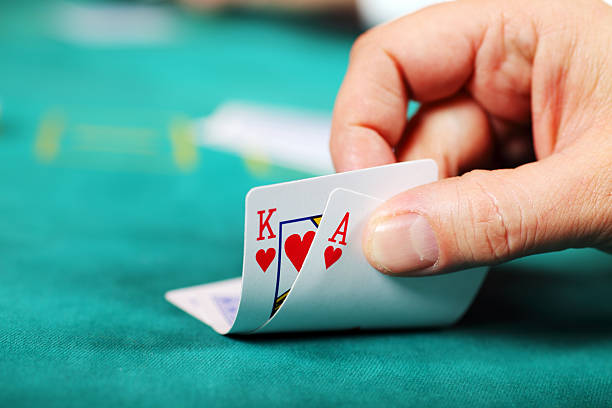
Research has shown that players who gamble in social settings are more likely to take risks compared to those who gamble alone. In a group, the atmosphere can escalate the thrill and excitement, encouraging individuals to make larger bets and take more significant risks than they typically would. This social aspect adds layers to the psychological framework of gambling, demonstrating how peer dynamics influence risk perception and decision-making in a casino context.
Another critical behavioral trend is the impact of personalization through technology. With the rise of online gambling platforms, players can now engage with games that adapt to their preferences and play styles. This personalization can create a false sense of security, where players may believe they are making informed decisions based on tailored experiences. However, this can also lead to increased risk-taking, as players might ignore the underlying dangers of their gambling behavior while focusing on the customized entertainment value.
Understanding Responsible Gaming Practices
Responsible gaming practices are essential in mitigating the psychological risks associated with gambling. For individuals, establishing clear personal limits is vital. Setting time and monetary limits can help players maintain control over their gambling habits, reducing the temptation to chase losses or engage in excessive play. Educating oneself about odds and probabilities can also enhance a player’s understanding of risk, empowering them to make informed decisions while gambling.
Additionally, casinos and gaming companies have a responsibility to promote a safe gaming environment. This can be achieved through offering resources for responsible gaming, such as self-exclusion programs and access to support services for those struggling with gambling-related issues. Implementing these measures not only helps protect players but also fosters a positive reputation for the casino industry as a whole.
Finally, ongoing education about the psychology of risk in gambling should be a priority for both players and operators. Understanding the emotional and cognitive factors that drive gambling behavior can facilitate healthier choices and encourage conversations about responsible gaming. By prioritizing knowledge and awareness, stakeholders can work together to create a gaming culture that values safety and well-being while still providing enjoyment and entertainment.